


Comprehensive Maintenance Solutions by RazorSharpNC: Maintenance Services for Tools
- RazorSharpNC

- Mar 9
- 3 min read
Keeping your tools in top shape is essential for achieving the best results in your work. Whether you are a chef, barber, stylist, home cook, or groomer, the sharpness and condition of your knives, scissors, and shears directly affect your efficiency and the quality of your craft. I want to share practical insights into maintenance services for tools that can help you extend the life of your equipment and maintain peak performance.
Why Maintenance Services for Tools Matter
Tools are an investment. When you use them daily, wear and tear are inevitable. Without proper care, your blades will dull, edges will chip, and your tools may even become unsafe. Regular maintenance prevents these issues and saves you money in the long run.
For example, a dull chef’s knife requires more force to cut, increasing the risk of slipping and injury. Similarly, a stylist’s scissors with a misaligned blade can cause uneven cuts and damage hair. By scheduling routine maintenance, you ensure your tools perform consistently and safely.
Maintenance services include sharpening, cleaning, lubrication, and sometimes minor repairs. These steps restore your tools to their original condition or better. You don’t have to be an expert to understand the basics, and I will guide you through what to expect and how to care for your tools between professional visits.

Essential Maintenance Services for Tools
Let’s break down the key maintenance services that keep your tools in excellent condition:
1. Sharpening
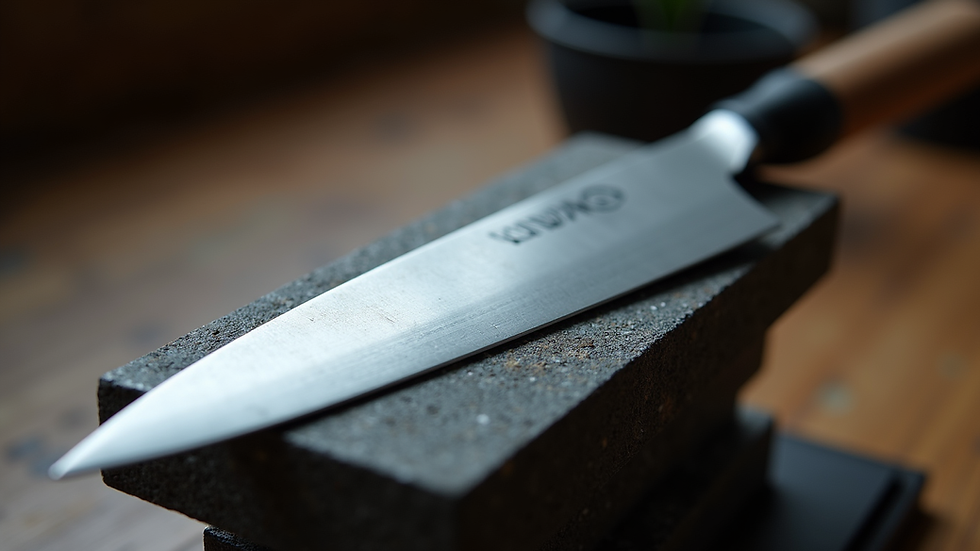
Sharpening is the most critical service. It involves grinding the blade edge to restore its sharpness. Professionals use specialized equipment to achieve the perfect angle and finish. Sharpening frequency depends on how often you use your tools. For example:
Chefs and home cooks might sharpen knives every 3-6 months.
Barbers and stylists may need scissor sharpening every 4-8 weeks.
Groomers should check their shears regularly and sharpen as needed.
2. Cleaning and Sanitizing
After sharpening, tools should be thoroughly cleaned to remove metal filings, oils, and dirt. Sanitizing is especially important for tools used on clients, such as scissors and shears, to prevent infections.
3. Lubrication
Lubricating moving parts, like the pivot on scissors or shears, ensures smooth operation and reduces wear. Use a light oil designed for precision tools. Avoid over-lubricating, which can attract dust and debris.
4. Alignment and Adjustment
Sometimes blades become misaligned, causing poor cutting performance. Professionals can adjust the tension and alignment to restore proper function. This service is often included with sharpening.
5. Minor Repairs
If your tools have small chips or nicks, maintenance experts can repair these imperfections. This prevents further damage and extends the tool’s life.
By understanding these services, you can better communicate your needs and recognize quality work when you receive it.

How to Choose the Right Maintenance Provider
Choosing a reliable maintenance provider is crucial. You want someone who understands your tools and your profession’s demands. Here are some tips:
Look for specialists who focus on knives, scissors, and shears.
Check for positive reviews and testimonials from local professionals.
Ask about their sharpening methods and equipment.
Confirm turnaround times and pricing upfront.
Ensure they offer convenient drop-off or pick-up options.
I recommend exploring razorsharpnc services if you are in Charlotte, NC. They specialize in professional knife sharpening and maintenance, catering to chefs, barbers, stylists, and groomers. Their expertise and customer service make them a top choice for tool care.
DIY Maintenance Tips Between Professional Services
While professional maintenance is essential, you can do simple tasks at home to keep your tools in good shape:
Clean your tools after each use with warm water and mild soap. Dry thoroughly.
Use a honing rod for knives to realign the edge between sharpenings.
Store tools properly in protective cases or holders to avoid damage.
Avoid cutting on hard surfaces like glass or stone, which dull blades quickly.
Check screw tension on scissors and shears regularly and adjust if needed.
These small habits reduce wear and help your tools last longer.
Scheduling Regular Maintenance for Consistent Performance
Set a maintenance schedule based on your tool usage. For example:
Chefs might schedule sharpening every 3 months.
Barbers and stylists could book services every 4-6 weeks.
Groomers may want monthly check-ups.
Mark your calendar and stick to it. Consistency prevents problems and keeps your tools ready for any task.
If you notice any changes in cutting performance, don’t wait. Early maintenance can prevent costly repairs or replacements.
Final Thoughts on Tool Care and Maintenance
Proper maintenance is not just about keeping your tools sharp. It’s about preserving your craft, ensuring safety, and saving money. By investing in professional services and practicing good habits, you protect your tools and your reputation.
Remember, the right maintenance provider makes all the difference. For those in Charlotte, NC, I trust razorsharpnc services to deliver expert care tailored to your needs.
Take control of your tool care today. Your work deserves nothing less than the best.


Comments