


Mastering Scissor Sharpening: Professional Scissor Sharpening Insights

Scissors are essential tools in many professions. Whether you are a chef, barber, stylist, home cook, or groomer, sharp scissors make your work easier and more precise. Over time, scissors lose their edge and need sharpening. I want to share professional insights on how to sharpen scissors effectively. This guide will help you maintain your tools and get the best results every time.
Understanding Professional Scissor Sharpening
Before diving into the sharpening process, it’s important to understand what makes professional scissor sharpening different. Scissors have two blades that work together to cut. When one blade becomes dull, the scissors won’t cut cleanly. Professional sharpening restores the edge on both blades, ensuring smooth and precise cuts.
Professional sharpening involves:
Checking the blade condition for nicks, rust, or damage.
Aligning the blades so they meet perfectly.
Sharpening at the correct angle to maintain the original blade design.
Polishing the edges to remove burrs and rough spots.
Using the right tools and techniques is key. You can sharpen scissors at home, but professional sharpening ensures the best results and extends the life of your scissors.

Tools and Materials Needed for Scissor Sharpening
To sharpen scissors properly, you need the right tools. Here’s a list of what I recommend:
Sharpening stone or whetstone - Choose a fine grit stone for scissors.
Lubricant - Water or honing oil to reduce friction.
Screwdriver - To adjust or remove the pivot screw.
Cloth or towel - For cleaning and drying.
Marker or pen - To mark the blade edge for angle guidance.
Safety gloves - To protect your hands during sharpening.
Avoid using rough or inappropriate tools like sandpaper or metal files, as they can damage the blades. A whetstone is the best choice because it sharpens evenly and preserves the blade shape.
Step-by-Step Guide to Sharpening Scissors
Sharpening scissors is a straightforward process if you follow these steps carefully:
Step 1: Disassemble the Scissors
Use a screwdriver to remove the pivot screw. This allows you to sharpen each blade separately. If your scissors don’t come apart, you can sharpen them while assembled, but it’s less effective.
Step 2: Clean the Blades
Wipe the blades with a damp cloth to remove dirt, hair, or residue. Dry them completely before sharpening.
Step 3: Mark the Blade Edge
Use a marker to color the cutting edge. This helps you see where the stone is removing metal and ensures you sharpen evenly.
Step 4: Sharpen the Blades
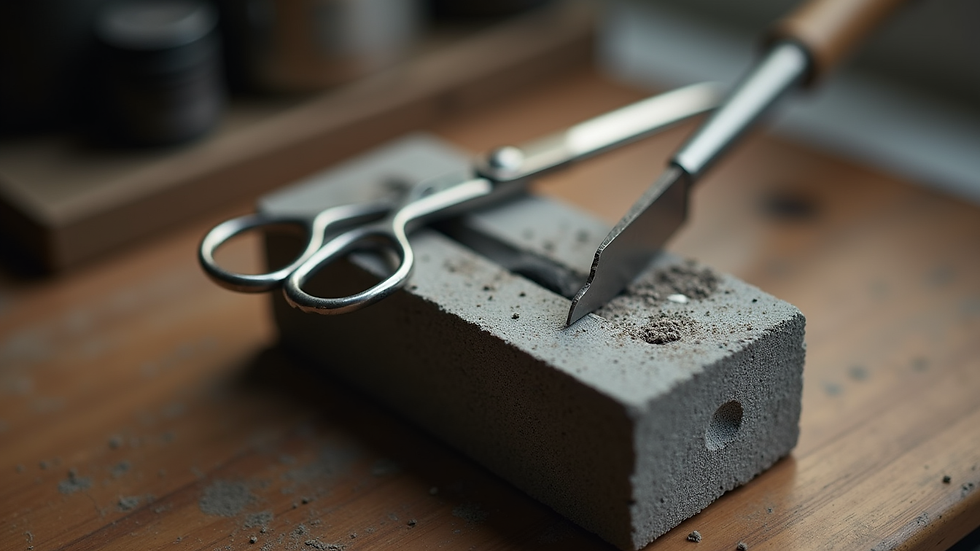
Hold the blade at the original bevel angle, usually between 30 and 45 degrees. Glide the blade across the whetstone in one smooth motion, moving from the base to the tip. Repeat 5-10 times or until the marker ink is gone.
Step 5: Remove Burrs
Flip the blade and lightly run it flat on the stone to remove burrs. Burrs are tiny metal edges that can cause rough cuts.
Step 6: Reassemble and Test
Put the scissors back together and tighten the pivot screw. Test the scissors on paper or fabric. If they don’t cut smoothly, repeat the sharpening process.
Tips for Maintaining Sharp Scissors
Keeping your scissors sharp is easier than you think. Here are some tips to maintain their edge:
Clean scissors after each use to prevent buildup.
Store scissors in a dry place to avoid rust.
Avoid cutting hard materials like wire or plastic.
Regularly check the blade alignment and adjust the pivot screw if needed.
Sharpen scissors before they become very dull to avoid excessive wear.
If you live in Charlotte, NC, and want expert help, consider professional services like scissor sharpening charlotte for reliable and convenient care.
When to Seek Professional Scissor Sharpening Services
Sometimes, DIY sharpening is not enough. If your scissors have deep nicks, rust, or the blades are misaligned beyond simple adjustment, professional sharpening is the best option. Professionals use specialized equipment and techniques to restore scissors to like-new condition.
Professional sharpening is also a good choice if you rely on scissors daily for your work. It saves time and ensures consistent performance. Many local services offer quick turnaround and affordable prices.
Final Thoughts on Mastering Scissor Sharpening
Mastering scissor sharpening takes practice, but it’s a valuable skill. Sharp scissors improve your work quality and reduce hand fatigue. By following the steps and tips I shared, you can keep your scissors in top shape.
Remember, the right tools and proper technique make all the difference. When in doubt, professional sharpening services are a smart investment. They help you maintain your tools and focus on what you do best.
Keep your scissors sharp and ready for any task!


Comments